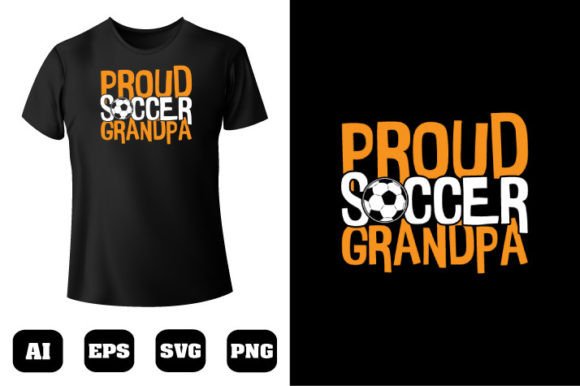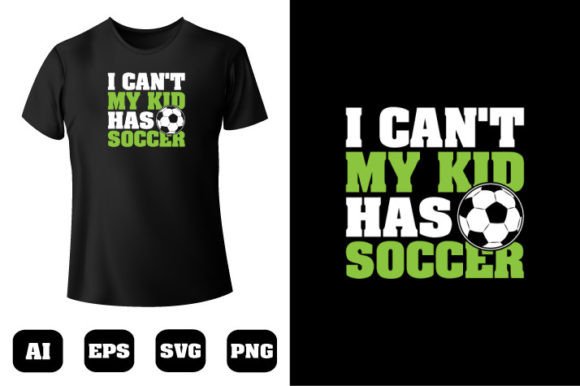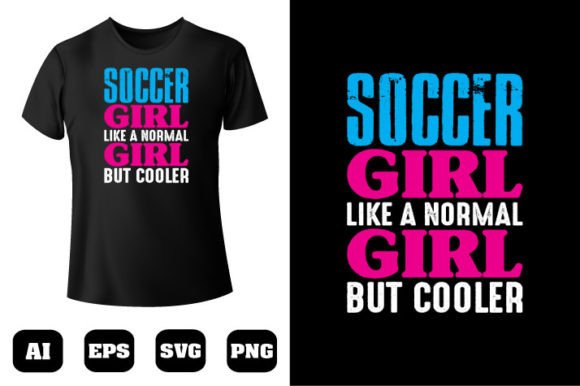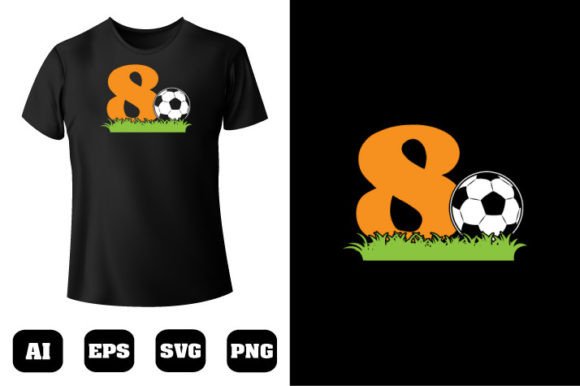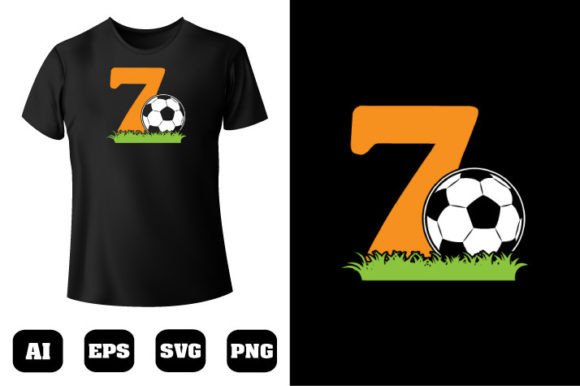
Soccer T-shirt Design 27: A Designer's Real-Use Review
When I first opened Soccer T-shirt Design 27, I was looking for a sporty motif that could translate well beyond just t-shirts. My small shop had been getting requests for custom embroidered tote bags and sweatshirts with a soccer theme, and I needed a design that felt energetic without being cartoonish. This vector file immediately struck me as versatile — the composition has a clean, confident balance that reads well from a distance, which is exactly what you want for apparel embroidery. The 100 color-changeable vector shapes mean I can adapt the palette to match team colors, school spirit shades, or even a more muted boutique look. That kind of flexibility saves me hours of rework.
First impressions matter — and this design delivers
The visual personality of Soccer T-shirt Design 27 leans modern and dynamic. It captures the motion of the sport without cluttering the frame. The vector shapes are crisp, and the layout leaves enough breathing room for stitch paths to read clearly. For an embroidery project, that's critical. If a design is too cramped in vector form, it only gets worse once you digitize and stitch. Here, the negative space works in your favor. I immediately pictured it on a cream-colored sweatshirt with deep navy thread — a classic combo that appeals to both parents buying for kids and adults wanting a subtle sporty look.
If you're an Etsy seller or craft business owner, this design fits naturally into categories like custom apparel, personalized gifts, and even embroidered patches for bags or caps. The 300 dpi quality in the Adobe Illustrator CC file means your mockups will look sharp for listings, and the resizable vector shapes let you scale the motif up for a hoodie back or down for a baby onesie without losing integrity.
Real-life scenario: Preparing a run of custom tote bags
Last week, I used Soccer T-shirt Design 27 for a small batch of custom tote bags ordered by a local youth soccer club. The client wanted something the kids could carry to practice — durable, washable, and not too flashy. I opened the AI file, adjusted the color change to match their team's burgundy and gold, and resized the design to fit a 5x7 hoop. Here's what I noticed: the vector shapes are clean enough that my digitizing software interpreted the satin stitch paths smoothly. The fill stitch areas for the main motif stayed dense enough to look solid but not so thick that they'd distort the bag's fabric.
The tote bags turned out great. The design held up on medium-weight cotton canvas, and after a test wash, there was no puckering or thread breakage. That's the kind of reliability you need when you're producing for clients. Whether you're making handmade products for a boutique or commercial embroidery runs, this file gives you a solid foundation.
How Soccer T-shirt Design 27 performs across different products
Over the past few weeks, I've tested this design on several surfaces. Here's what I found:
- Sweatshirts and hoodies: The design scales beautifully. On a crewneck sweatshirt, the layout feels balanced on the left chest or center front. The stitch density holds up well on fleece, especially with a medium-weight cutaway stabilizer.
- T-shirts: On lightweight cotton tees, the design works best when you reduce the size slightly to avoid pull. The vector shapes are simple enough that running stitch details don't get lost in the knit.
- Tote bags and aprons: This is where the design really shines. The bold shapes stand out on canvas and denim. For aprons, I placed it on the bib area — it looks professional and sporty without overwhelming the garment.
- Caps and hats: I'd recommend scaling the design down for curved surfaces. The layout can fit a front cap panel, but test the hoop size first and use a stiff stabilizer to prevent distortion.
- Baby items and onesies: If you shrink the design to fit a 4x4 hoop, the details remain clear. Just keep the stitch density moderate so the fabric doesn't pucker.
- Pillow covers and tea towels: Perfect for home decor. The design adds a sporty accent to a kitchen towel or throw pillow. I used a medium-weight tear-away stabilizer, and the fill stitch areas stayed smooth.
- Patches: Because the shapes are vector-based and resizable, you can easily turn this into an applique design for iron-on or sew-on patches. I tested a patch version using a satin stitch border, and it came out clean.
Where to use this design carefully
No design is perfect for every surface, and Soccer T-shirt Design 27 has a few considerations worth noting:
- Small hoop sizes: If you're working with a 4x4 hoop, you'll need to reduce the design significantly. The core shapes hold up, but very small details — like thin lines or tiny accent marks — may not stitch as clearly. Test a scaled-down version on scrap fabric first.
- Stretchy or thin fabrics: On lightweight knits or jersey, the design can cause pull if the stitch density is too high. Use a stabilizer with good body, like a medium-weight cutaway, and reduce the density slightly in your digitizing software.
- Dark fabrics: The design is 100 color changeable, which is great. However, if you're stitching light thread on a dark background, make sure your thread colors have enough contrast. I'd recommend testing a black-and-white mockup first to check the visibility of smaller elements.
- Curved surfaces like caps: The layout is somewhat horizontal, so placing it on a curved cap panel requires careful centering. Use a cap hoop and a stiff stabilizer to keep the design from shifting.
- Frequent washing: For items like kitchen towels or baby bibs that will be washed often, use a high-quality thread and a stabilizer that won't break down in water. The design itself is sturdy, but the substrate matters.
Visual appeal, customer trust, and product value
When a shopper sees an embroidered product, they judge it in seconds. A clean, well-proportioned design like Soccer T-shirt Design 27 signals quality. I've noticed that customers respond to the confident layout — it doesn't look like an afterthought. Whether you're making personalized gifts for a birthday or building a small shop product line for a craft fair, this design gives your items a finished, professional look.
From a branding perspective, the design's adaptability to different color schemes means you can maintain brand consistency across product types. If you're an Etsy seller, you can offer the same design on a t-shirt, a tote bag, and a cap, each with custom colors. That kind of coordination builds customer trust and encourages repeat purchases. The giftability factor is high — parents, coaches, and sports fans all appreciate a well-made item that feels personal.
Practical designer notes before you stitch
After working with Soccer T-shirt Design 27 on multiple projects, here are my practical recommendations:
- Test on scrap fabric first. This is non-negotiable. Even a clean vector file can behave differently once digitized. Run a test stitch on fabric similar to your final product.
- Check thread color contrast. The 100 color changeable feature is powerful, but a low-contrast palette can make the design look flat. Test your chosen colors under natural light.
- Review stitch density. The file itself is vector-only, so you'll need to import it into your digitizing software. Adjust the density for the fabric you're using — lighter fabrics need lower density to avoid puckering.
- Confirm hoop size. The vector is resizable, but your hoop size determines the maximum dimensions. Plan your layout before you start digitizing.
- Inspect small details. If you scale the design down significantly, check that thin lines and small shapes will stitch clearly. Simplify if needed.
- Test in black and white. Before committing to colors, print a black-and-white mockup of the vector to see if the composition holds up without color cues.
- Compare light and dark backgrounds. The same color palette can look very different on a white tee versus a black sweatshirt. Test both.
- Use proper stabilizer. For most projects with this design, a medium-weight cutaway stabilizer works best. For caps or thick fabrics, use a stiff stabilizer.
- Check licensing for commercial use. The product listing indicates it's ready to print and easy to edit, but confirm whether your intended use — selling finished items or digital products — is covered. When in doubt, contact the seller.
- Keep a test sample. After you stitch a final version, keep a sample for your portfolio or product photos. It helps with future printable mockup creation and design assets for your shop.
Final thoughts on Soccer T-shirt Design 27
This design has earned a spot in my regular rotation. It's not just a T-Shirt Designs file — it's a versatile Graphics asset that works across apparel, home decor, accessories, and gifts. The vector quality is solid, the color flexibility is a real time-saver, and the layout holds up in real embroidery conditions. Whether you're a seasoned machine embroidery professional or a creative entrepreneur just starting your craft business, this design offers reliable results. Just take the time to test it on your chosen fabric, adjust the stitch settings, and confirm your hoop size. With a little preparation, Soccer T-shirt Design 27 can help you create finished products that customers love and remember.