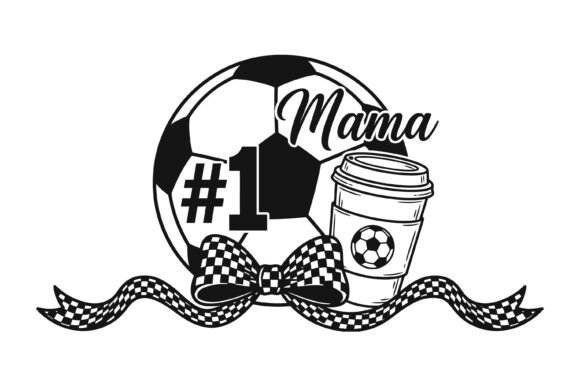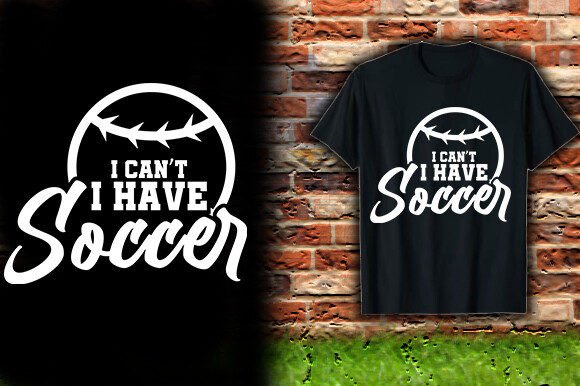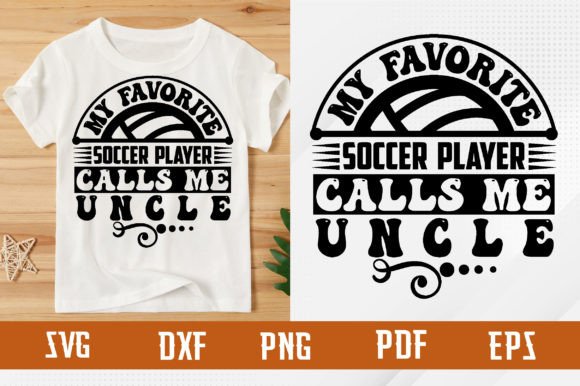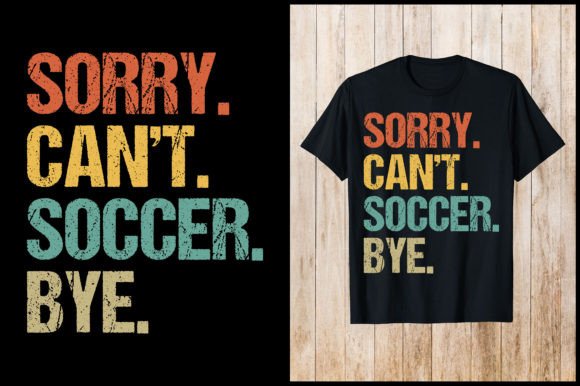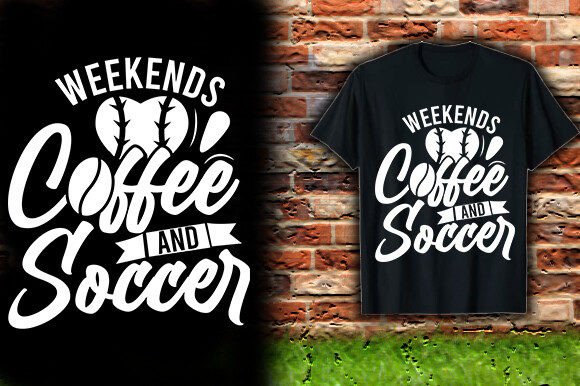
Weekends Coffee and Soccer T-Shirt Designs Graphics
When I first opened the WEEKENDS COFFEE and SOCCER TSHIRT DESIGN, I immediately recognized the kind of niche appeal that works well in a crowded digital marketplace. It strikes a balance between lifestyle branding and sport enthusiasm — a combination that resonates with a specific but loyal buyer base. The design feels modern and casual, with enough visual personality to stand out on merchandise, yet it does not rely on overly complex illustration work that could cause problems during resizing or cutting. For anyone selling on Etsy, Creative Fabrica, or through print-on-demand services, this type of graphic design asset offers a practical starting point for building a small collection around a unified theme.
The mood leans toward relaxed weekends, coffee culture, and soccer fandom. It does not try to be everything at once. Instead, it focuses on a clear lifestyle moment — the kind of visual that could easily appear on a tote bag, a mug, or a hoodie. As a digital product creator, I look for designs that feel intentional without being niche to the point of limiting sales. This one sits comfortably in a space where sport meets everyday comfort, which tends to attract both soccer fans and casual shoppers looking for a gift or a personal treat.
Preparing a Product Collection Around This Design
Let me walk through a realistic scenario. Imagine I am setting up a new Etsy shop section focused on weekend lifestyle merchandise. I have already tested a few designs, but I need something that can anchor a small bundle. I download the WEEKENDS COFFEE and SOCCER TSHIRT DESIGN and start evaluating it from a seller perspective. The first thing I notice is that the vector shapes are clean and well-defined. The description notes that the asset is easy to modify and change the color, which is essential when I want to offer variations without starting from scratch. I can quickly adjust the color palette to match different shirt bases or create a cohesive look across multiple products.
The design is made with fully resizable vector shapes, so I do not worry about pixelation when scaling it up for a poster or down for a sticker. For a shop owner, that flexibility saves time and reduces the risk of poor print results. I also confirm that the files come in Fully Editable Vector EPS 10 and SVG formats, which means I can open them in Adobe Illustrator, Affinity Designer, or even Inkscape. That kind of compatibility matters when you work across different software tools and need to batch-process files for multiple listings.
Turning the Asset Into Sellable Products
In my experience, a single graphic design asset like this can support an entire product line if it is versatile enough. Here is how I would test the WEEKENDS COFFEE and SOCCER TSHIRT DESIGN across different product types before publishing any listing:
- T-shirt graphics — The most obvious application. I would test the design on both light and dark shirt backgrounds, checking contrast and readability. Since the vector shapes are clean, the silkscreen or DTG printing process should handle it well.
- Mug designs — The design’s composition works for a curved surface. I would resize it to fit a standard 11 oz or 15 oz mug template and see how the elements wrap around.
- Tote bag prints — A large, bold placement on a canvas tote bag could look striking. The resizable vector shapes allow me to scale it up without losing line quality.
- Sticker design — For small stickers, I would check if any thin lines or small text are included. If the design has fine details, I might simplify the cut lines or enlarge the artwork for smaller formats.
- Sublimation designs — Since the asset is fully editable, I can recolor it to match sublimation-friendly palettes and test it on polyester blanks like tumblers, phone cases, or coasters.
- Printable wall art — A framed print in a kitchen or home office could appeal to buyers who love the weekend coffee and soccer theme. I would pair it with a simple frame mockup for the listing image.
- Canva templates — By importing the SVG into Canva, I can create social media templates, blog headers, or promotional graphics. This expands the product’s reach beyond physical merchandise.
- Cricut projects — For Cricut users, the vector format is ideal for cut-and-press projects. I would check the SVG cut lines and make sure the design works on iron-on vinyl or adhesive vinyl.
Each of these applications requires a slightly different file setup, but the base design remains the same. That is where the commercial license aspect becomes important. Before selling any finished product that includes this design, I verify the licensing terms. Most graphic design assets on creative marketplaces allow commercial use for physical products, but I always double-check the EULA, especially for digital templates or print-on-demand integration.
Product Presentation and Thumbnail Appeal
One area where WEEKENDS COFFEE and SOCCER TSHIRT DESIGN really helps is in product presentation. When I create listing images for Etsy or Amazon, I rely on the design to carry the visual hierarchy. A strong, readable graphic reduces the need for heavy mockup styling. I can place the design on a clean product mockup — a t-shirt, a mug, or a poster — and let the artwork speak for itself. That approach works well for buyers who browse quickly and need to understand the product at a glance.
I also test the design as a thumbnail image. On a crowded search results page, small details can get lost. I scale the graphic down to thumbnail size and check whether the coffee cup, soccer element, and text are still recognizable. If the design passes that test, I know it will perform better in mobile views and marketplace search feeds. For this particular asset, the bold silhouette and clear subject matter help it hold up well even at smaller sizes.
Mockup previews are another essential step. I generate a few mockups — a white t-shirt on a wooden background, a dark mug with the design in a light color, and a framed print in a lifestyle setting. These mockups give me a realistic sense of how the design will appear to customers. I also check how it looks on white and dark backgrounds. If the design relies on specific contrast, I may adjust the color using the editable vector shapes to ensure it works across both extremes.
Where the Design Works Best
From my testing, this graphic performs well in scenarios where large product previews and themed bundles are the focus. The lifestyle appeal of coffee and soccer makes it a natural fit for weekend-themed collections, sporty merchandise, or gift bundles aimed at soccer fans. I would consider using it in a seasonal bundle — perhaps a late summer or fall collection that combines outdoor sports with warm drinks.
The design also works well for printable products where the artwork is the hero. For example, a digital download pack that includes wall art, greeting cards, and gift tags could all feature this design as a unifying element. Similarly, social media graphics that promote a shop’s new collection can use the design as a visual anchor. When I create Instagram posts or Pinterest pins, I often extract a color palette from the design and build brand identity elements around it.
On creative marketplace listings, the design’s clean vector structure helps it stand out as a premium asset. Buyers who browse for SVG files or clipart appreciate editable files that save them editing time. The fact that this asset includes EPS 10 and SVG formats adds to its perceived value, especially for designers who need scalable vector graphics for commercial projects.
Where to Use This Design Carefully
No design is perfect for every application, and I always look for potential pitfalls before committing to a product line. With this asset, I would be cautious in a few specific areas:
- Tiny sticker details — If the design includes fine lines or small text, it may not reproduce well on very small stickers. I would test it at 1 inch wide and see if the readability holds up. If not, I would offer a simplified version or recommend larger sticker sizes.
- Overly complex layouts — The design itself is fairly straightforward, but if I were to layer it with other graphics or heavy text, the visual clarity could suffer. I would keep the layout clean, especially for merchandise like mugs or shirts where simplicity often sells better.
- Low-resolution print products — Since the files are vector-based, resolution is not an issue as long as the buyer exports correctly. However, if I were selling a PNG version, I would provide it at 300 DPI for print and 72 DPI for web. This prevents pixelation and maintains a professional look.
- Dark backgrounds with weak contrast — Some color combinations can reduce the design’s impact. I test the design on dark backgrounds using lighter color variants to ensure the elements remain distinct. The editable nature of the file makes this adjustment straightforward.
- Text-heavy templates — If the design includes typography, I check whether the font style complements the rest of the composition. For this design, a sans serif font or a handwritten font could work well, depending on the mood I want to convey. I avoid pairing it with overly ornate script fonts that might clash with the clean vector shapes.
- Cricut or Silhouette cutting lines — For cut projects, I inspect the SVG file to ensure there are no stray nodes or overlapping paths that could cause cutting errors. A quick test cut on vinyl helps confirm that the design is ready for machine use.
Practical Seller Notes Before Publishing
Before I list any product featuring this design, I run through a short checklist. I test the design on real mockups — not just generic templates — to see how it behaves on different fabric textures, mug curves, or paper finishes. I also preview it as a marketplace thumbnail to ensure the design is still impactful when scaled down to 200 pixels wide. If the thumbnail looks muddy or unclear, I simplify the artwork or adjust the contrast.
I verify file resolution for each product format. For PNG exports, I use 300 DPI for print and check that the background is transparent where needed. For SVG files, I confirm that the paths are clean and that the design opens correctly in popular software like Illustrator, Inkscape, and Cricut Design Space. If I plan to sell the design as a digital download, I organize the files clearly — separating EPS, SVG, and PNG versions into labeled folders. That kind of organization builds trust with buyers and reduces support requests.
I also consider color consistency across products. If I offer the design on a t-shirt and a mug, the colors should match as closely as possible. I use the editable vector shapes to create a standard color palette and apply it consistently. For sublimation products, I may need to adjust the colors slightly to account for the white underlayer or the polyester fabric.
Finally, I confirm the commercial licensing before selling any finished products. If the asset comes from a marketplace that restricts certain uses — like print-on-demand integration or digital template sales — I respect those limitations. When the license allows full commercial use, I proceed with confidence and note the licensing terms in my product descriptions to reassure buyers.
How This Design Supports a Professional Product Collection
Building a cohesive shop collection takes more than just uploading files. It requires a consistent visual thread that runs through product images, mockups, and listings. The WEEKENDS COFFEE and SOCCER TSHIRT DESIGN provides that thread. It gives me a recognizable theme that I can carry across multiple product types, from apparel to home decor to digital downloads. When customers see the same design on a t-shirt, a mug, and a poster in my shop, they perceive a professional brand rather than a random assortment of items.
The design also supports visual storytelling. I can create a narrative around weekend rituals — coffee, soccer, relaxation — and use that story in my product descriptions, social media posts, and email marketing. Buyers connect with products that feel like part of a lifestyle, not just isolated pieces of clipart. This asset helps me communicate that lifestyle without needing elaborate writing or photography.
In terms of perceived value, clean vector graphics signal quality to potential buyers. Whether I am selling the design as a standalone SVG file or using it to create finished merchandise, the professionalism of the artwork reflects on my entire shop. A well-executed design can justify a higher price point, especially in categories like t-shirt graphics and sublimation designs where buyers expect crisp, scalable artwork.
For anyone starting or expanding a digital product shop, this asset offers a solid foundation. It is flexible enough to test across multiple product categories, yet focused enough to build a themed collection around. By taking the time to test it on real mockups, adjust colors, and verify file formats, I can turn a single graphic design asset into a reliable product line that attracts repeat buyers and builds long-term shop momentum.